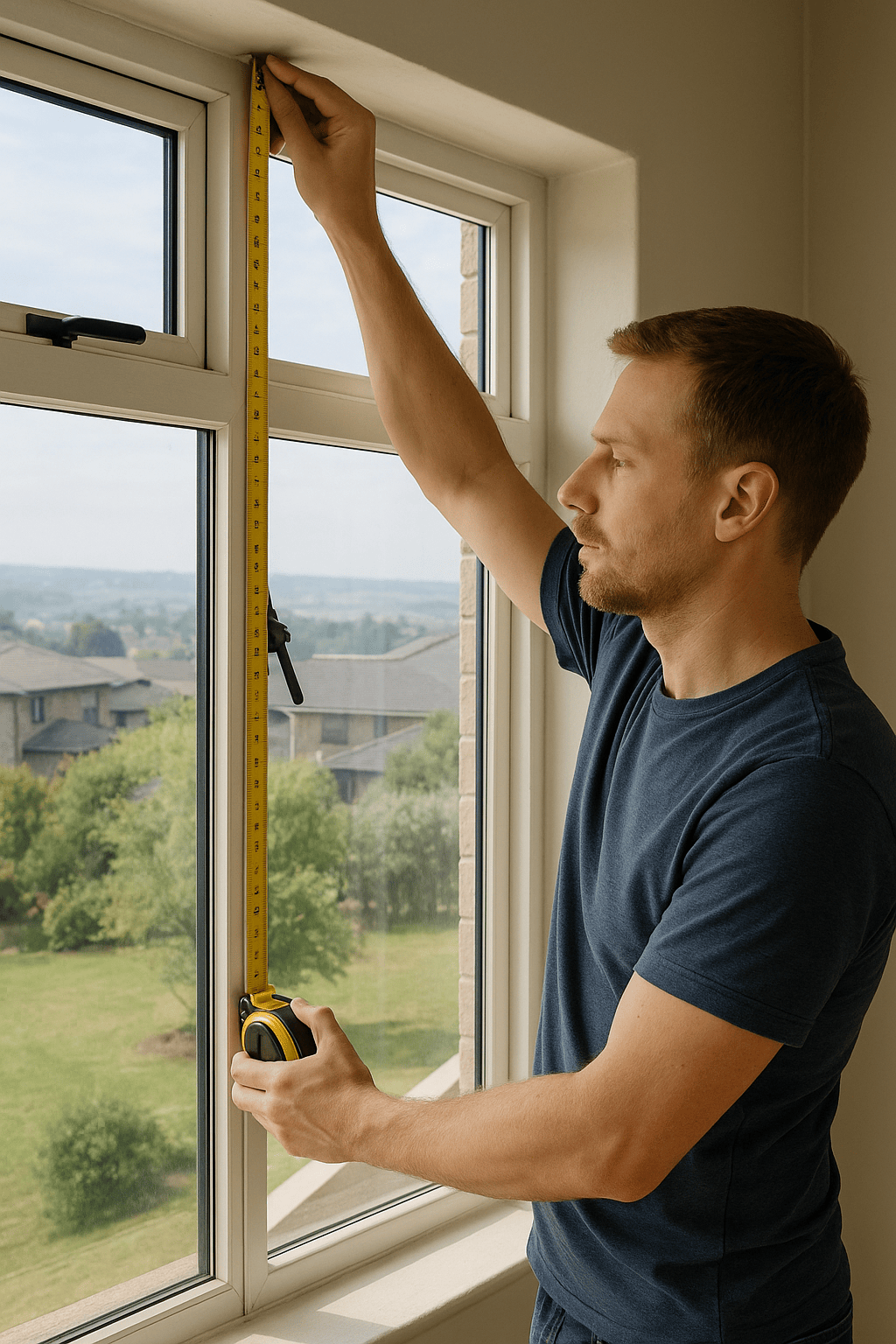
How to Measure Windows for Blinds Installation: A Complete Guide
Window Measuring
Are you considering adding stylish and functional blinds to your home but feeling unsure about how to get the measurements right? Proper measurements are the foundation of a successful blinds installation. Incorrect measurements can lead to ill-fitting blinds that don't function properly or look their best, leaving you with unnecessary frustration and potential additional expenses.
In this comprehensive guide, we'll walk you through the process of measuring your windows for blinds installation, ensuring you get perfectly fitting window treatments that enhance your home's appearance and functionality.

Why Accurate Measurements Matter for Blinds Installation

Before diving into the measuring process, it's important to understand why precise measurements are crucial. Blinds that are too wide won't fit within your window frame, while those too narrow will let light leak through the sides. Similarly, blinds that are too long can bunch up at the bottom, while those too short won't provide adequate coverage.
Professional-looking blinds should fit snugly within or over your window frame, depending on your mounting preference. The difference of even a few millimeters can affect how your blinds look and function in your space.

Essential Tools for Measuring Windows

To ensure accurate measurements, you'll need:
• A metal measuring tape (fabric tapes can stretch and give inaccurate readings)

• A laser measuring device for accurate readings

• Paper and pencil to record measurements

• A step ladder for tall windows

• A helping hand for larger windows
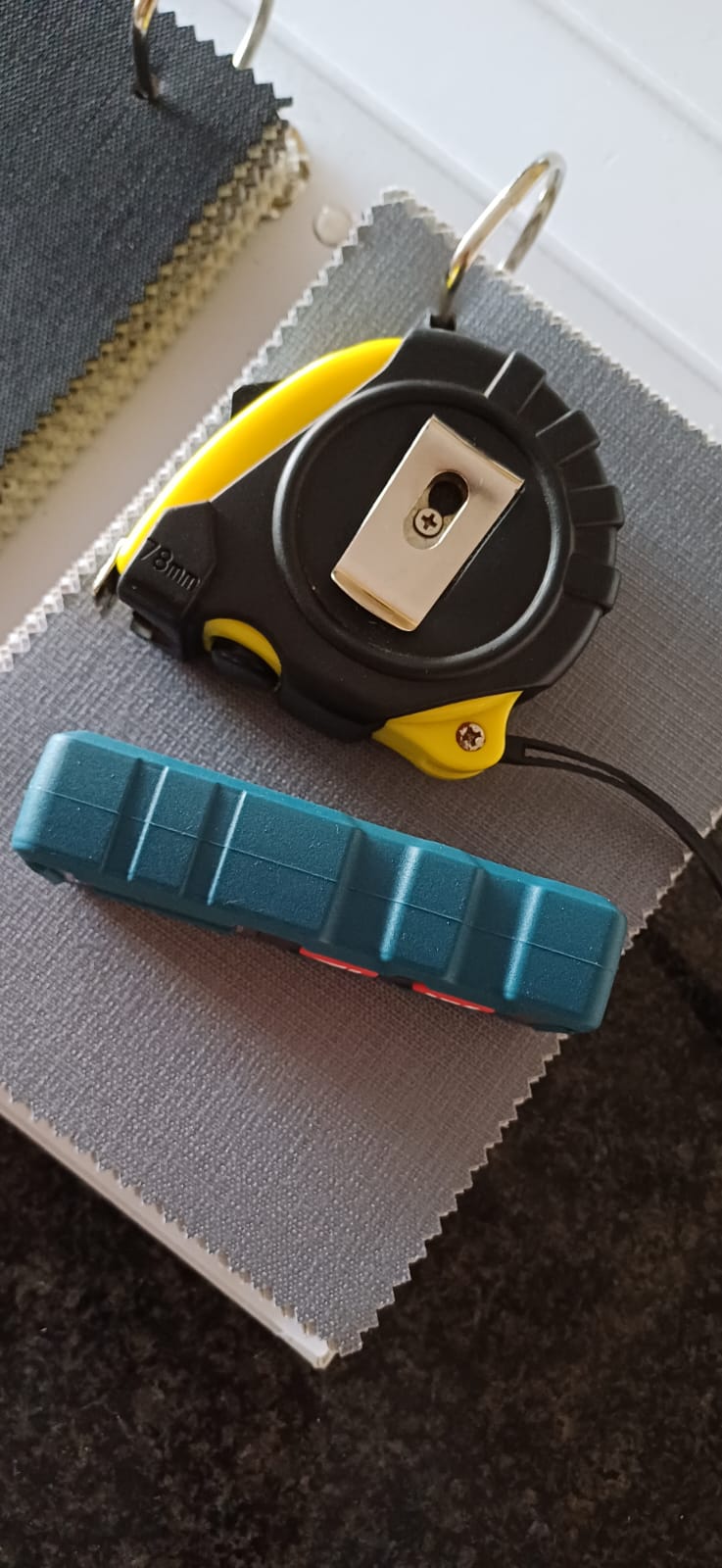
Window Measuring devices
Using the right tools makes the measuring process much easier and more accurate. Steel measuring tapes are particularly recommended as they provide the most precise readings.

Inside Mount vs. Outside Mount: Which to Choose?

Inside Mount

Inside mount blinds fit within the window recess, giving a clean, built-in look. This mounting style is ideal when:
• You want to highlight an attractive window frame

• Your window has adequate depth to accommodate the blind

• You have multiple blinds that need to align neatly next to each other
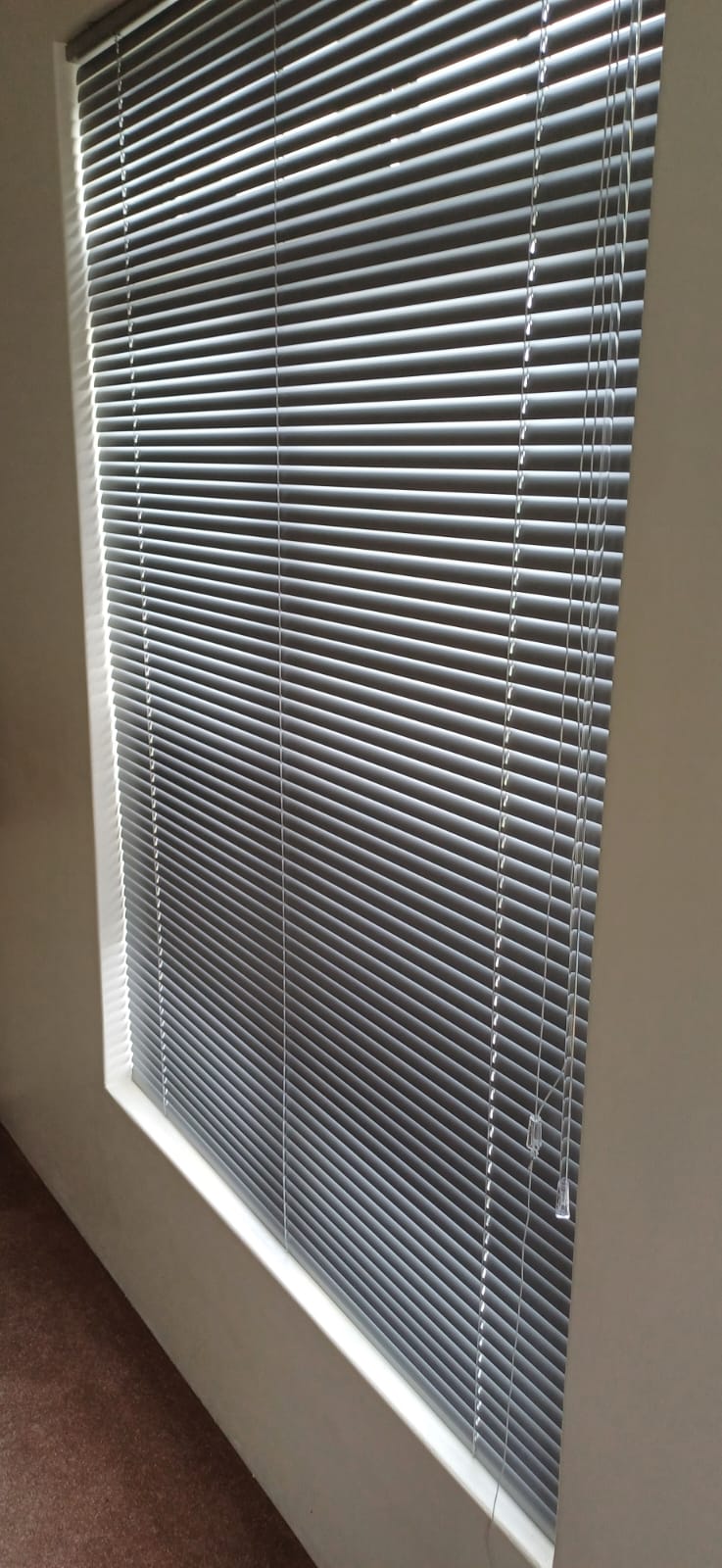
Recces Fix Blinds

Outside Mount

Outside mount blinds are installed on the wall surrounding the window. This option works best when:
• Your window doesn't have sufficient depth for an inside mount

• You want to make a window appear larger

• You need to cover unattractive window frames

• You want to block more light

Your choice between these mounting styles will determine how you take your measurements, so decide on your preference before proceeding.

Step-by-Step Guide to Measuring for Inside Mount Blinds

1. Measure the width at three points - top, middle, and bottom of the window. Record the narrowest measurement to ensure the blinds will fit.

2. Measure the height at three points - left, center, and right side of the window. Record the longest measurement to ensure adequate coverage.

3. Check the depth - Measure the window depth to ensure it can accommodate your chosen blinds. Different blind types require different minimum depths.

4. Record exact measurements - Don't round up or down; provide exact measurements to the nearest millimeter.

Remember, when ordering inside mount blinds, most manufacturers will make a small deduction from your width measurement (usually about 10mm) to ensure the blinds operate smoothly. This is standard practice, so you should provide the exact window measurements rather than making your own deductions.

Step-by-Step Guide to Measuring for Outside Mount Blinds

1. Determine the desired width - Measure the width of the window opening and add at least 50mm to each side (total of 100mm) for optimal light blockage and privacy.

2. Determine the desired height - Measure from where you want the top of the blinds to sit to where you want them to end. For maximum light control, add at least 50mm at the top and bottom.

3. Mark your measurements - Using a pencil, lightly mark where the blinds will be positioned to ensure symmetry and alignment.

4. Consider obstacles - Check for any protruding window handles, air conditioners, or radiators that might interfere with the blinds' operation.

Unlike inside mount measurements, you do not need to worry about deductions with outside mount blinds. The measurements you provide will be the exact size of the blinds you receive.

Common Measuring Mistakes to Avoid

• Confusing width and height - Always list width first, then height when recording measurements.

• Measuring the existing blinds - Always measure the window, not your old blinds. • Not checking for squareness - Not all windows are perfectly square; measure diagonally from corner to corner to check.

• Neglecting to check for obstructions - Window handles, locks, and alarm sensors can interfere with blind operation.

• Using fabric measuring tapes - These can stretch and lead to inaccurate measurements.

These blinds require more depth for inside mounting due to their slat thickness and operating mechanisms. Ensure your window has at least 60mm of depth for proper installation.
Aluminum blinds typically require less depth than wooden options, usually around 50mm for inside mounting. They're a great option for windows with less depth.
When measuring for roller blinds, consider the size of the rolling mechanism at the top. For inside mounts, ensure your window depth can accommodate this.
While DIY measurements can work well for standard windows, complex windows or uncertain situations might benefit from professional assistance. At Strümp Blinds Shutters & Fireplaces, we offer free professional measuring services throughout Somerset West, Stellenbosch, and Strand. Our experts ensure perfectly fitting blinds every time.

Conclusion

Accurate measurements are the foundation of beautiful, functional blinds that enhance your home's comfort and appearance. By following these guidelines and taking your time to measure correctly, you'll avoid the common pitfalls that lead to ill-fitting window treatments.
Remember, it's always better to measure twice before placing your order. If you're uncertain about any aspect of measuring your windows, professional help is just a phone call away.
Ready to transform your home with custom blinds? Schedule your FREE in-home consultation with Strümp today! Our experts will assess your space, take measurements, and help you choose the perfect solution for your home. Contact us at 079 344 1229 or email us at info@strump.co.za

Frequently Asked Questions

Inside mount blinds require sufficient depth in your window frame. Measure the depth of your window recess and compare it to the minimum requirements for your chosen blind type (usually between 50-75mm depending on the style).
Always measure for blinds after your new windows are completely installed. Window dimensions can change slightly during installation.
For optimal light blocking and privacy, add at least 50mm to each side of the window width and height. For larger windows, you might consider adding 75-100mm per side.
A metal measuring tape is essential for accurate measurements. A step ladder for tall windows and a pencil for marking are also helpful. Avoid using cloth measuring tapes as they can stretch. A laser measuring device will be the most accurate if you have one.
If your windows aren't square, measure the width and height at multiple points and use the smallest width and longest height for inside mounts. For significantly out-of-square windows, outside mounts might be preferable.